

Spring Camping Guide 2026: 12 Tips for Your Best Season Yet
Spring Camping Guide 2026: 12 Tips for Your Best Season Yet
Spring is the best-kept secret in the camping calendar. The crowds are gone, the wildflowers are blooming, the air is finally warm enough to sleep outside — and the forests look like something out of a dream. Yet most campers wait until summer to dust off their gear, leaving all of that to themselves.
If you're ready to stake your claim on the season, this guide covers everything you need for a comfortable, well-prepared spring trip: from packing smart in unpredictable weather to choosing a campsite that won't turn into a puddle by morning. We've also included 12 practical tips that experienced campers swear by but rarely write down.
Let's get into it.
Why Spring Camping Is Underrated (and Underutilized)
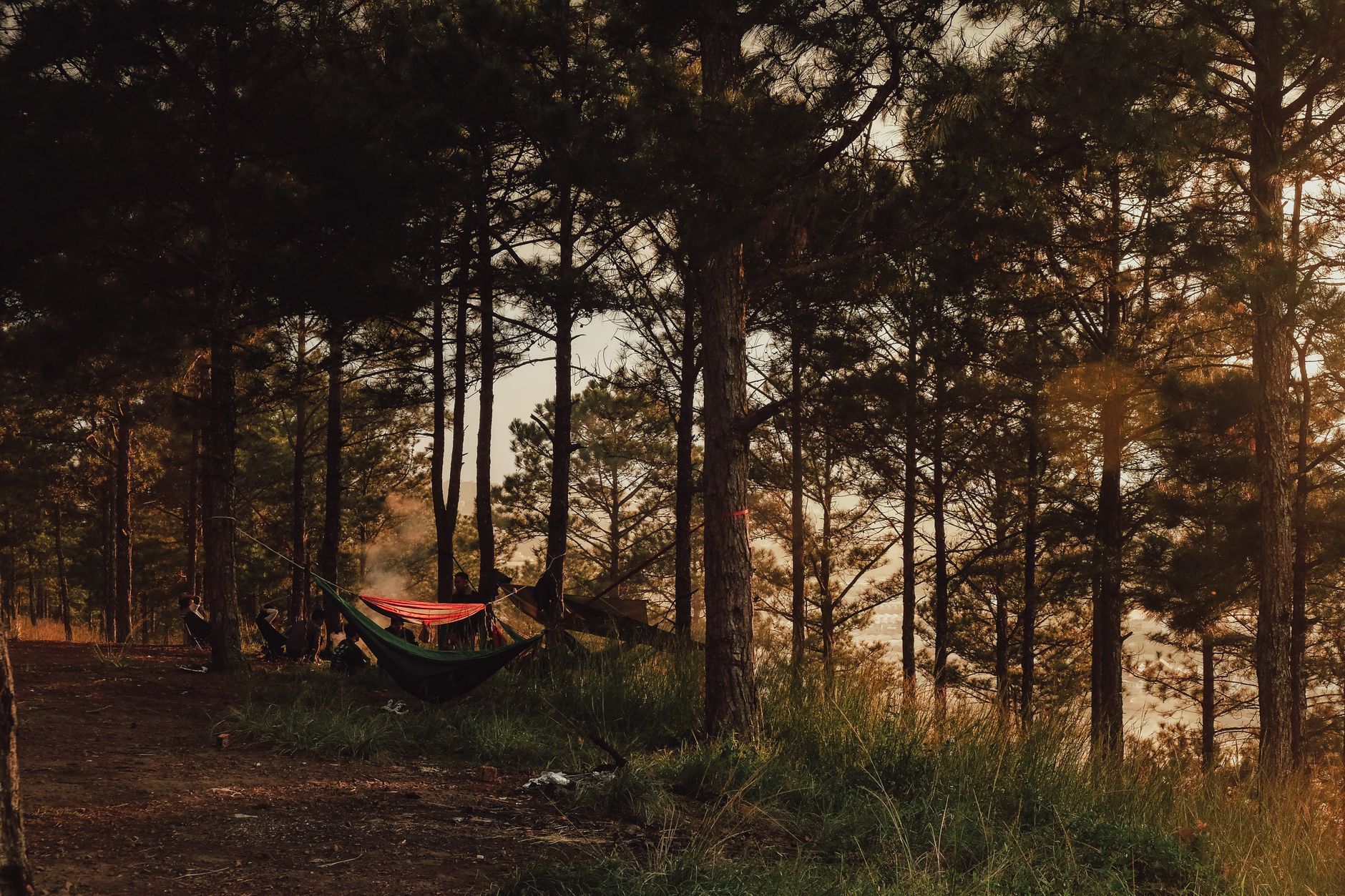
Photo: Dương Nhân / Pexels
Ask any seasoned camper for their favorite time of year and a surprising number will say April or May — not July. Here's why:
- No reservation lottery. Summer campsites at popular parks sell out months in advance. Spring? You can often book a week out, sometimes the same day.
- Wildflowers and green-up. The forest canopy hasn't fully filled in yet, which means more light, more color, and dramatically better views.
- Wildlife activity. Spring is peak movement season. Birds are migrating, deer are active, and the woods are genuinely alive in a way that August just isn't.
- Better sleep temperatures. Daytime highs in the 60s and 70s°F mean comfortable hiking. Nights in the 40s mean deep, cold-air sleep — which is genuinely restorative.
- Fewer bugs (in early spring). Before late May, the mosquitoes and black flies haven't fully woken up yet. In some regions, mid-April is a magical bug-free window.
The trade-off is unpredictability. Spring weather can swing 40 degrees in 24 hours, and afternoon thunderstorms are common. The tips below are specifically designed for that dynamic environment.
Before You Go: The Spring-Specific Prep Checklist
1. Check the 7-Day Forecast — Then Check It Again
Spring weather changes fast. A week-of forecast is still speculative; a 48-hour forecast is where you start making real decisions. Apps like Weather Underground, Dark Sky (via Weather Channel), and the National Weather Service's hourly forecast are more granular than generic apps. Pay attention to overnight lows specifically — that's what determines whether your sleeping system is adequate.
If the forecast shows a low below 45°F, treat your gear as if you're going cold-weather camping. If it shows a low below 35°F, that's a different trip than you might have planned for.
2. Choose Your Site Based on Drainage, Not Just Views
The single most common spring camping mistake is choosing a flat, open site that looks perfect on a dry day — and turns into a swamp after a rain. Spring soil is often saturated from snowmelt and previous rain. Water moves fast when it rains.
Look for sites that are:
- Slightly elevated (even 12–18 inches above the surrounding terrain matters)
- Not at the bottom of a slope or drainage channel
- On sandy or rocky ground rather than clay-heavy soil
- Away from streambeds — spring runoff can raise water levels dramatically overnight
This is one reason hammock camping has a serious advantage in spring: if the ground is wet, frozen, or flooded, it genuinely doesn't matter. You're sleeping off the ground entirely.
Sleep System for Spring: Layering Is Everything

The Mr. Mocks Double Mock — 10ft × 6.5ft, 550 lbs capacity, complete kit with tree straps and 12kN carabiners. mrmocks.com
3. Use the "Sleep Warm, Camp Light" Layering Strategy
In spring, the goal is a sleep system that handles a wide temperature range without packing heavy. The standard approach: a sleeping bag rated 10–15°F lower than the expected overnight low, combined with a base layer. If the night is warmer than expected, you unzip. If it's colder, you add a mid-layer.
For hammock campers, add a sleeping pad or underquilt rated for similar temps — hammocks expose your back to cold air underneath, which can drop your effective warmth by 10–15°F compared to the same setup in a tent on insulated ground.
4. Switch to Hammock Camping for Spring — Seriously
If you've been tent camping through mud seasons, spring is the year to try hammock camping. The benefits compound in wet conditions:
| Challenge | Tent Solution | Hammock Advantage |
|---|---|---|
| Wet/muddy ground | Find flat, dry spot (good luck) | Setup anywhere with two trees |
| Tent condensation | Wipe walls, improve ventilation | Open-air, naturally vents |
| Finding a flat campsite | Required, often limiting | Irrelevant — just need trees |
| Morning dampness | Tent floor and bag can be damp | Off the ground, drains naturally |
| Setup time | 15–30 min for a stake-and-pole tent | 2 minutes with quality straps |
The Mr. Mocks Double Mock at $49.95 is purpose-built for exactly this kind of camping. It's 10 feet by 6.5 feet — large enough for a proper diagonal lay — with a 550-pound weight capacity and 70D Para-Chill™ nylon that won't soak through in light drizzle. The complete kit includes tree straps with Mr. Mocks' patent-pending angle indicator (tells you when you've hit the ideal 30° hang angle), plus 12kN carabiners. Nothing to buy separately.
Spring Camping Clothing: The Layering System That Actually Works
5. Pack Three Layers, Not One "Do-Everything" Jacket
The outdoor industry has been saying this for decades and it's still true: a layering system outperforms a single heavy jacket in variable conditions. Here's the spring-specific version:
- Base layer: Merino wool or moisture-wicking synthetic. Cotton kills in cold-wet conditions — avoid it.
- Mid layer: Fleece or lightweight down (synthetic down dries faster if wet, natural down compresses smaller). Zip fleece is ideal because you can regulate temperature quickly.
- Shell: Lightweight waterproof/windproof jacket. In spring, rain is more likely than snow, so waterproofing matters more than insulation in the outer layer.
Total packed weight for this system can be under 2 lbs and will handle 35–70°F with adjustments.
6. Bring One Extra Pair of Socks Per Day (No Compromise)
Wet feet in spring camping are a misery multiplier. Trail conditions are muddier, creek crossings run higher, and morning dew soaks through shoes fast. The ratio most experienced hikers use: one pair per day plus one emergency pair. Merino wool socks are worth the investment — they regulate temperature, resist odor, and feel tolerable even when damp.
7. Waterproof Your Footwear (or Accept Wet Feet and Plan Around It)
Waterproof hiking boots have a trade-off: they're warmer and heavier, and once water gets in (over the ankle), they hold it. Trail runners with water-resistant treatment are lighter and dry faster. Choose based on your trail — rocky stream-crossing terrain favors boots; dry ridge trails favor runners.
Apply fresh DWR (durable water repellent) coating to older waterproof boots before a spring trip. The DWR wears off before the membrane does, and reapplying it restores most of the waterproofing performance.
Food, Water, and Camp Cooking in Spring
8. Water Is Everywhere — And That's the Problem
Spring runoff creates abundant water sources, which is convenient. It also increases turbidity, bacterial content, and chemical runoff from agricultural areas. Always filter or treat spring water, even from sources that look crystal clear. High-flow water moves fast enough to look clean while carrying significant pathogen loads.
Gear note: Squeeze filters like Sawyer products work well in spring but can freeze if temperatures drop below freezing overnight. Keep your filter in your sleeping bag or hammock if overnight temps are near freezing.
9. Warm Drinks Are Not Optional in Cold Mornings
A quality insulated camp mug and a reliable stove are undervalued items. Starting a 40°F morning with hot coffee or tea isn't just a comfort — it helps your body warm up for activity and improves your decision-making during the pack-up process. Keep your fuel canister warm overnight (body heat or sleeping bag) if temps drop near freezing, as cold affects fuel pressure and stove performance.
10. High-Calorie Foods for Higher Calorie Burns
Cold weather increases caloric burn — your body spends more energy maintaining core temperature. A moderate spring hike in 45°F weather burns 15–20% more calories than the same hike in 70°F. Plan food accordingly. Extra snacks matter more in spring than summer; don't under-pack calories thinking you won't need them.
Leave No Trace in Spring: Extra Considerations

Mr. Mocks tree straps with patent-pending 30° angle indicator — gentler on trees, easier to hang right.
11. Use Wide Tree Straps — It Matters More in Spring
Spring bark is at its most vulnerable. Trees have just come out of dormancy, and the cambium layer (the living tissue just under the bark) is actively transporting water and nutrients for leaf-out. Thin rope or narrow straps can damage this layer even with brief contact.
The Leave No Trace guidelines recommend straps at least 2 inches (51mm) wide to distribute pressure across the bark. Mr. Mocks' included straps meet this standard — they're designed specifically to minimize bark damage while holding their position. If you're using a different hammock, check your straps. Width is not a marketing detail; it's a conservation practice.
Also: never hang from dead or damaged trees. Spring is the time when saturated root systems make standing dead trees more likely to fall — and spring wind events can take down weakened trees faster than any other season.
12. Camp on Durable Surfaces, Stay 200 Feet From Water
Spring brings elevated concern for two things: fragile vegetation that's just sprouting (one footstep on early-season wildflowers can eliminate an entire year of growth) and riparian zones (areas near water) that are actively recovering from winter. The 200-foot rule from water sources isn't just about contamination — it protects habitat during the most vulnerable time of year for riverside species.
Hammock camping has a natural advantage here, too: sleeping off the ground means zero soil compaction at your sleep site. Paired with a small footprint camp setup and designated fire rings, hammock campers tend to have measurably lower site impact than tent campers.
The Complete Spring Camping Packing List
| Category | Item | Spring Notes |
|---|---|---|
| Sleep | Hammock + straps | Preferred over tent in wet conditions |
| Sleep | Sleeping bag (rated to 30–40°F) | Add underquilt for hammock use |
| Clothing | 3-layer system | No cotton; merino or synthetic |
| Clothing | Rain jacket | Non-negotiable in spring |
| Footwear | Waterproof hiking shoes/boots | Fresh DWR treatment |
| Water | Filter + backup tablets | Keep filter above freezing |
| Food | High-calorie snacks | +15–20% calories vs summer |
| Navigation | Download offline maps | Trail apps: AllTrails, Gaia GPS |
| Safety | First aid kit | Include blister treatment |
| Leave No Trace | Wide tree straps (2"+ minimum) | Critical during leaf-out season |
Ready to Make Spring Your Favorite Season?
The campers who love spring camping aren't just tolerating the weather — they've dialed in their systems to work with it. Waterproof layers, elevated sleeping, flexible site selection, and a little extra food go a long way toward transforming a potentially uncomfortable trip into a genuinely magical one.
If you haven't tried hammock camping yet, spring is the perfect time to start. The ground doesn't matter, the views from the forest canopy are extraordinary, and setup takes two minutes. The Mr. Mocks Double Mock is the simplest way to get started: everything you need in one bag, priced at $49.95 with no add-ons required.
Head to mrmocks.com to see the full lineup — including the ThirdWheeler bunk bed hammock for camping with a partner or friend. Spring is short. Get out there.